
satisfied patients
Dental crowns
Book a visit
What we offer
Dental treatment in Warsaw
prices
Our prices
| Dental crowns | |
|
from 1500 zł
from 1350 zł
Zirconia crown
from 2000 zł
from 3200 zł
from 2349 zł
from 2000 zł
|
|
doctors
Best dentists
We employ only highly qualified doctors. Astra Dent dentists regularly attend professional workshops and internships in Poland and abroad.
All doctors
Transformations
Before & After
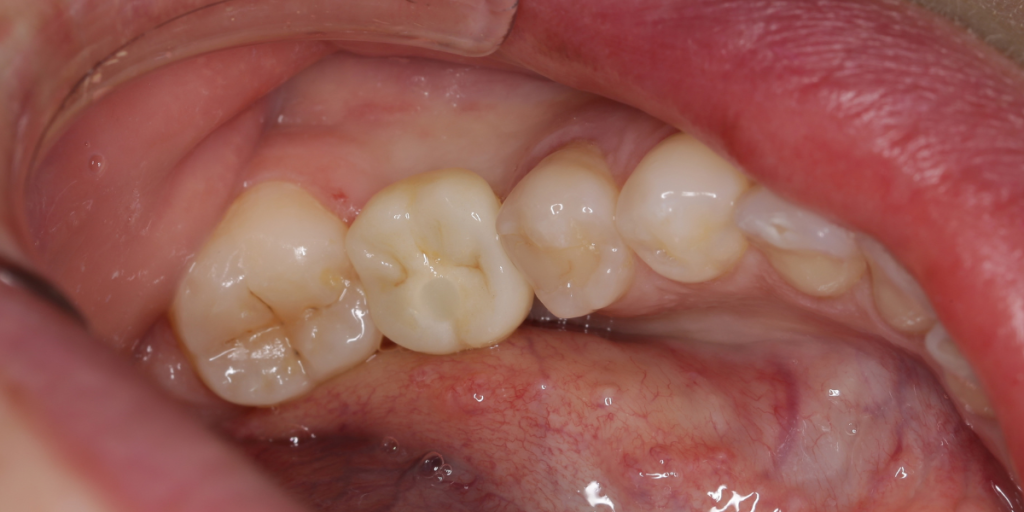
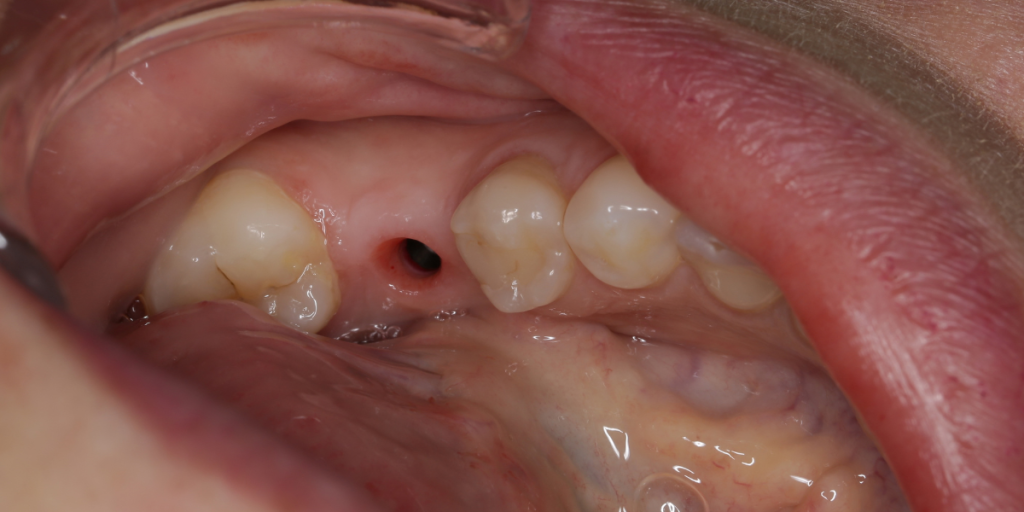
Here you’ll find real transformation stories — from the first visit to results you’ll actually love seeing in the mirror every day. These examples show what your smile can look like after treatment and aesthetic procedures in our dental practice. No exaggeration, no filters — just honest before-and-after results to help you imagine your own outcome.
More on service
Dental Crowns in Warsaw: Modern Restoration of Tooth Function and Aesthetics
A damaged or weakened tooth cannot always be restored with a simple filling. If a significant portion of the natural crown has been lost due to decay, trauma, or previous dental treatment, a large restoration may not withstand constant chewing pressure. In such cases, prosthetic treatment helps protect the remaining tooth structure, restore its shape, and maintain the proper function of the dentition.
Modern crowns are most commonly fabricated using dental ceramics or zirconium dioxide. These materials can withstand significant stress, accurately mimic the shade and translucency of natural enamel, and are suitable for both anterior (front) and posterior (chewing) teeth. Clinical studies indicate that the five-year survival rate for single-tooth zirconium restorations exceeds 95%; with proper oral hygiene, they can last significantly longer.
At Astra Dent in Warsaw, specialists determine the appropriate prosthetic approach only after a thorough examination and diagnosis. The dentist assesses the extent of tooth damage, the condition of the root and gums, the patient’s bite (occlusion), and the tooth’s position to select a restoration that offers the optimal balance of strength and aesthetics.
What is a dental crown?
A dental crown is a fixed prosthetic restoration — essentially a cap — that covers the visible part of the tooth above the gum line and bears the forces of chewing. The crown is secured to a prepared natural tooth using dental cement, while on a dental implant, it is attached either via a screw or cement, depending on the specific design. Unlike a filling, which merely fills a cavity from within, a crown encases the tooth on all sides, protecting weakened walls against chipping and cracking.
To understand when a crown is appropriate — as opposed to a less extensive intervention — let’s compare the main types of restorations based on their purpose:
| Restoration | What it restores | Tooth coverage volume |
| Filling | Small and medium-sized defects | Fills the cavity from the inside |
| Inlay/onlay | Significant defects, when there is still sufficient own tissue | Restores part of the tooth crown |
| Veneer | Aesthetics of front teeth | Thin overlay for the anterior surface |
| Crown | Severely damaged or weakened tooth | Covers the coronal portion completely |
In short, a crown is appropriate when the damage is too extensive for a filling or an inlay, yet the tooth can still be saved and subjected to full functional load.
When is a crown recommended?
The decision regarding prosthetic restoration is made by a prosthodontist following an examination and X-ray diagnostics. There are many indications, but they almost all lead to one point: there is insufficient remaining natural tooth structure to withstand chewing forces over the long term.
Crowns are most commonly recommended in the following situations:
- Following root canal treatment. After endodontic therapy, a tooth often suffers significant loss of hard tissue; the risk of cracks or fractures depends primarily on the amount of remaining tooth wall. In this context, a crown is not merely a cosmetic feature, but a preventive measure against tooth loss. According to a retrospective study, the 5-year survival rate for endodontically treated molars without a crown drops to approximately 36%.
- In cases of extensive tooth destruction. If a large portion of the tooth has been lost due to decay or a large, aging filling, a crown restores its anatomy and ensures an even distribution of chewing forces.
- Following a tooth injury. In the event of a fracture to the crown portion of the tooth, a prosthetic crown restores the lost volume, bringing back both function and aesthetics.
- For tooth restoration on an implant. An implant-supported crown completes the replacement of a completely lost tooth by recreating the portion visible above the gum line.
- To enhance the aesthetics of a smile. Ceramic crowns can correct the shape, color, and proportions of teeth.
- In cases of pathological enamel wear. For patients with bruxism or excessive tooth wear, prosthetic restorations help restore vertical dimension and protect teeth from further destruction.
What types of dental crowns are there?
Dental crowns vary primarily based on their material, strength, translucency, and intended use. There is no single “universal” material; for instance, natural color and light transmission are crucial for anterior (front) teeth, whereas resistance to high mechanical stress is the priority for posterior (chewing) teeth.
E.max Ceramic Crowns
E.max crowns are crafted from lithium disilicate glass-ceramic, renowned for its natural translucency and precise fit. They are an excellent choice for the “smile zone” and for minor aesthetic restorations. Monolithic lithium disilicate crowns demonstrate a five-year survival rate of approximately 98.5%.
Zirconia Crowns
Zirconia (zirconium dioxide) crowns combine high strength with good aesthetic qualities. They are suitable for both anterior and posterior teeth, making them an ideal option for patients whose teeth are subject to heavy mechanical stress. Monolithic zirconia restorations carry a lower risk of chipping, as they do not feature a separate veneering (outer) layer.
Metal-Ceramic Crowns
These restorations consist of a durable metal framework covered by a layer of dental ceramic. Consequently, metal-ceramic crowns are highly resistant to chewing forces and are generally more affordable than all-ceramic (metal-free) alternatives. One potential drawback is the appearance of a dark edge near the gum line, especially if gum recession (lowering of the gums) occurs.
Implant-Supported Crowns
If a tooth is completely lost, dental implantation allows for its restoration without the need to grind down adjacent teeth. Once the implant has been placed and has successfully integrated with the bone, the dentist proceeds to the prosthetic phase. Implant-supported crowns are connected to the artificial root via an abutment. The final restoration replicates the visible part of the tooth and bears the forces of chewing.
How to Choose the Best Crown?
To determine which type of crown is best suited for you, a prosthodontist considers several factors rather than focusing solely on the material or price. The right choice represents a balance between aesthetics, strength, and durability.
The decision is influenced by:
- the location of the tooth;
- the chewing load (force);
- the presence of bruxism (teeth grinding);
- the patient’s aesthetic expectations;
- the condition and volume of the tooth tissues;
- the dentist’s clinical recommendations.
For example, when placing crowns on teeth in the “smile zone,” E.max ceramics or zirconia are typically preferred, whereas for posterior molars, mechanical strength is the primary consideration.
How is a dental crown placed at Astra Dent Warsaw?
Restoring a tooth with a crown involves several stages, during which the dentist prepares the tooth, takes impressions, and secures the final restoration. The process typically consists of the following steps:
- Consultation with a prosthodontist. The dentist examines the tooth, assesses the extent of damage, and determines whether a crown is the appropriate solution for restoration.
- Diagnostics. Depending on clinical indications, the dentist may perform an X-ray or a CT scan (CBCT) to evaluate the condition of the roots, surrounding tissues, and bone.
- Tooth preparation. If necessary, any existing decay or root canal issues are treated first; then, the tooth is shaped to accommodate the specific type of restoration.
- Taking an impression. The specialist captures the shape of the teeth and the specifics of the bite using either a digital intraoral scanner or a traditional impression method.
- Crown fabrication. A dental technician creates a custom restoration, taking into account the shape, size, shade, and position of the tooth within the dental arch.
- Fitting (Try-in). The dentist checks the fit, contact points with adjacent teeth, bite height, shape, and color.
- Permanent cementation. Following a final check, the dentist secures the crown in place using dental cement.
- Follow-up. During a follow-up visit, the specialist assesses the condition of the gums, the bite, and comfort while chewing, making minor adjustments if necessary.
How long does a dental crown last?
The lifespan of a dental crown depends not only on the material used but also on how diligently the patient maintains their oral hygiene. A large-scale analysis of nearly 1.2 million dental crowns in England and Wales revealed that approximately 77% of these restorations did not require further intervention for at least 5 years. After 10 years, this figure stood at approximately 63%, and after 15 years, it was around 53%.
Factors influencing the lifespan of a crown include:
- the material of the crown;
- the quality of its fabrication;
- the precision of its fit;
- daily oral hygiene;
- regular preventive check-ups;
- individual bite characteristics, such as the presence of bruxism (teeth grinding).
Caring for Dental Crowns
While the crown itself cannot develop cavities, the underlying tooth and the surrounding gums require the same level of care as natural teeth. In a long-term study of 154 porcelain-fused-to-metal crowns, the estimated average survival time was 47.5 years. The patients in this study underwent annual check-ups and maintained proper oral hygiene — demonstrating that correct care truly extends the lifespan of a restoration.
To ensure a crown lasts as long as possible, follow these simple guidelines:
- brush your teeth twice a day using a soft or medium-bristled toothbrush;
- visit a dentist for professional dental cleaning approximately every 6 months;
- clean the spaces between teeth using dental floss or interdental brushes, paying special attention to the area around the edge of the crown;
- attend preventive check-ups at least twice a year;
- avoid excessive stress on the teeth — do not bite into bones, ice, or hard nuts.
Why do patients choose Astra Dent in Warsaw?
Astra Dent specialists select crowns based on the condition of the tooth, the mechanical load, the patient’s bite, and aesthetic requirements. During the planning stage, the dentist determines the optimal material, shape, and shade, while digital scanning ensures the precise parameters of the final restoration are captured.
Advantages of Astra Dent in Warsaw include:
- Experienced prosthodontists. Our specialists are skilled in various types of prosthetic treatments and tailor solutions to each specific clinical situation.
- Digital planning. Modern technology allows for a more precise assessment of the crown’s shape, fit, and how it interacts with the bite.
- Intraoral scanning. Digital scanning creates an accurate model of the dentition without the need for traditional impression materials.
- Customized material selection. The dentist considers specific requirements for strength, translucency, and appearance, depending on whether the crown is for the anterior (front) or posterior (chewing) teeth.
- Precise shade matching. The color is matched to the adjacent teeth, ensuring the crown looks natural within the dental arch.
- Collaboration with certified dental laboratories. Restorations are crafted according to the individual parameters obtained during the scan and examination.
- English-speaking staff. Patients can discuss their treatment plan, costs, and aftercare in English.
- A complete treatment cycle in a single center. At Astra Dent, you can undergo diagnostics, tooth preparation, prosthetic procedures, and follow-up checks after the crown is placed.
Cost of Crown Placement
There is no single fixed price for a crown, as every case is unique. The cost is calculated following an examination and diagnostics, once the scope of work and the chosen material are determined. The final amount depends on the crown material, the complexity of the clinical case, the need for preliminary treatment (for cavities, root canals, or gum issues), and the type of support (a natural tooth or an implant):
| Service | Cost, zł |
| Metal-ceramic crown | from 1350 |
| Zirconium crown | from 2000 |
| E.max crown | from 2349 |
| Zirconia crown on an implant with an abutment | from 3200 |
| Consultation with a prosthodontist | from 250 |
How can I book an appointment at Astra Dent in Warsaw?
You can schedule a consultation at Astra Dent through the dental center’s official channels. An administrator will help you select a convenient time, clarify logistical details, and provide guidance regarding your first visit:
- Phone: +48 533 599 552;
- E-mail: info@astradent.pl;
- Online booking: via the official website.
Astra Dent treats patients in Warsaw and offers a full cycle of dental care — from initial consultation and diagnostics to prosthetics and follow-up monitoring.

Published:
20 October 2026, 13:11

Last update:
23 October 2026, 18:12
Why do patients trust Astra Dent doctors?
0
0
newest equipment for treatment and disgnostics
0
years of successful experience in dentistry
0
minute walk from Świętokrzyska metro station
Deals
Hot offers
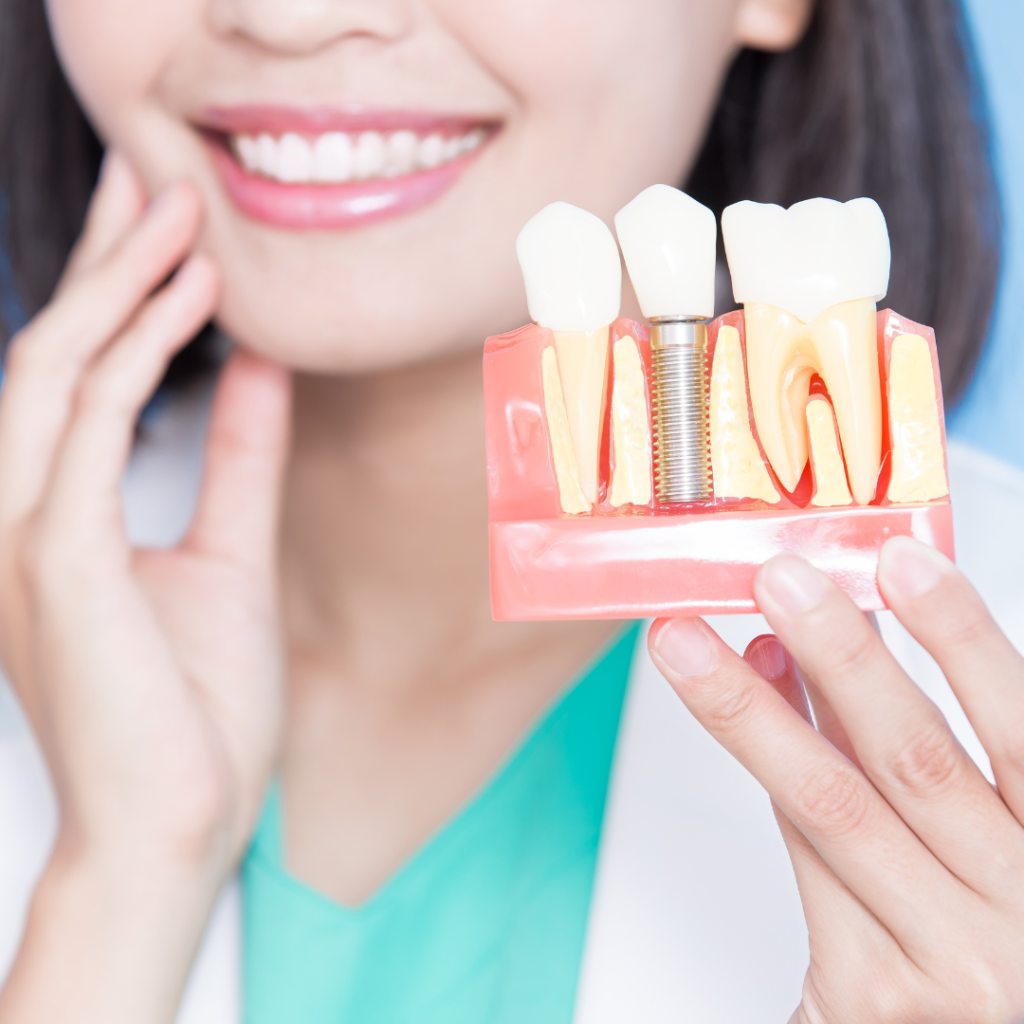
Implant Megagen for 2500 zł only
This solution provides durability, comfort, and a natural look, allowing you to enjoy everyday comfort.

Professional Dental Cleaning 4in1 + Check-up for 350 zł
The beginning of a new year is the perfect time to focus on your health and build good habits.
Implant Megagen for 2500 zł
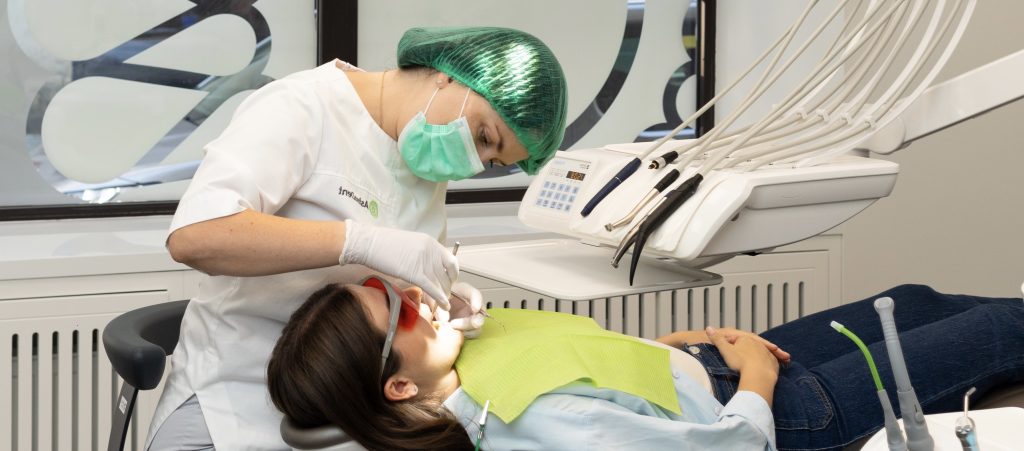
«First Filling in Astra Dent» Package for 399 PLN
Dental exam + filling for 399 PLN only
articles
Dental news

FAQ
FAQ
| When is a dental crown needed? | |
|
If a tooth is significantly damaged, weakened following root canal treatment, injured, or shows severe wear, a dentist may recommend a crown. The final decision is made after an examination, as sometimes a dental inlay or a veneer may be sufficient. |
|
| Which type of crown is best? | |
|
There is no single answer. For front teeth, E.max ceramic is frequently chosen; for molars (chewing teeth), zirconia is often preferred; while metal-ceramic crowns offer a balance between cost and durability. |
|
| What is the difference between a zirconia crown and a ceramic crown? | |
|
Both types are metal-free; however, zirconia is stronger and better suited for molars, whereas E.max lithium disilicate ceramic offers superior translucency and a more natural appearance, making it ideal for the “smile zone.” |
|
| Is it necessary to remove the dental pulp (perform a root canal) before placing a crown? | |
|
Root canal treatment is not always required. It is performed based on endodontic indications — for example, in cases of irreversible pulpitis (inflammation of the dental pulp) or pulp necrosis. |
|
| How long does it take to get a dental crown? | |
|
The standard procedure typically involves 2-3 visits over the course of 1-2 weeks. This timeframe covers tooth preparation and taking impressions, laboratory fabrication, and finally, the fitting and permanent cementation of the crown. |
|
| Is it possible to get a crown in a single day? | |
|
If a dental clinic is equipped with CAD/CAM digital technology, it is sometimes possible to fabricate and cement a crown in a single visit. A dentist will confirm whether this option is suitable for you during a consultation. |
|
| How long do modern dental crowns last? | |
|
With proper care, most high-quality crowns can last for many years. Over 77% do not require any major intervention within the first five years; with regular check-ups, their lifespan often extends to 10-15 years or even longer. |
|
| Do dental crowns require any special care? | |
|
No special products are needed. Thorough daily oral hygiene — including cleaning between the teeth with dental floss or an interdental brush — along with preventive check-ups twice a year, is sufficient. |
|