Zirconia Crowns in Warsaw: Aesthetics and Strength
Zirconia dental crowns are prosthetic restorations made of zirconium dioxide — a material characterized by high strength and biocompatibility. They possess a natural color and translucency, making them indistinguishable from natural teeth. Unlike metal-ceramic crowns, zirconia crowns contain no metal framework, ensuring that the gum line does not darken. Furthermore, compared to traditional ceramics, they can withstand significantly higher chewing forces and maintain their aesthetic appearance over long-term use.
Benefits of Zirconia Crowns for Patients
Zirconia crowns remain fully functional even 10 years after placement. Thanks to their durability combined with a natural aesthetic, zirconium dioxide is considered one of the best materials for tooth restoration. It offers several key clinical advantages:
- Natural color and translucency, mimicking real teeth. The optical properties of zirconia allow it to replicate natural enamel under any lighting conditions.
- No allergic reactions. As a metal-free material, it does not trigger sensitization (an immune system hypersensitivity to the material) — a common issue with metal-ceramic restorations.
- High resistance to stress and long-term durability. Zirconia can withstand chewing forces of up to 900-1200 MPa — 3 to 4 times higher than the capacity of conventional ceramics. It does not darken over time and does not develop a “grey rim.” A metal-free dental crown preserves the natural appearance of the gums, even after years of use.
- Ideal for both anterior (front) and posterior (chewing) teeth. Its combination of strength and aesthetics makes zirconia a versatile choice — effective for the front of the mouth as well as for the teeth used for heavy chewing.
Restoration with zirconia crowns is an optimal solution for patients seeking both durability and aesthetics for the long term.
Comparison table of crown materials:
| Parameter | Metal-ceramics | Whole ceramics | Zirconium |
| Strength | 600-800 MPa | 250-400 MPa, fragile | 900-1200 MPa |
| Aesthetics | A dark edge near the gums is possible | Natural but the strength is limited | Natural color, transparency like that of enamel |
| Biocompatibility | Possible allergy to metal | Good | Perfect |
| Price | 1450 PLN | 2000 PLN | 2200 PLN |
| Indications | Chewing teeth | Primarily a frontal group of teeth | Any teeth (universal choice) |
How do I know if zirconia is the right choice for me?
Zirconia restorations are recommended for patients with a strong bite, bruxism (unconscious nighttime teeth grinding), or a need to restore posterior (chewing) teeth. At the same time, its translucency allows the material to be used in the anterior (front) zone, where a natural appearance is critically important.
Modern dentistry utilizes several types of zirconia, each with its own specific characteristics and applications:
- Monolithic zirconia is a solid structure without an additional veneering layer. It offers maximum strength and can withstand significant chewing forces, making it an optimal choice for restoring molars. While this material is less translucent, aesthetics are less critical in the posterior region, where durability takes precedence.
- Translucent zirconia possesses enhanced optical properties that closely resemble natural enamel. Due to its high light transmission, it is primarily used for restoring anterior teeth. Restorations made from this material allow for the recreation of a natural-looking smile without compromise.
- Multilayer zirconia combines varying degrees of translucency and strength. The upper layers mimic natural enamel, while the lower layers provide the necessary durability. This technology creates a natural color transition from the incisal edge (biting edge) down to the neck of the tooth.
Multilayered zirconia is considered the “gold standard” at the Astra Dent practice in Warsaw, as it enables a perfect balance between aesthetics and functionality, even in complex clinical cases.
How are zirconia crowns placed at Astra Dent in Warsaw?
Tooth restoration using zirconia crowns is based on digital technologies. This allows Astra Dent specialists to minimize errors and ensure precision down to the micron. Every procedure is carried out in stages — from initial diagnostics to final cementation — to guarantee a stable, long-lasting result and patient comfort.
Consultation and Diagnostics
During the initial appointment, the dentist assesses the condition of the teeth, oral mucosa, and bite, and performs a 3D scan (computed tomography). To identify hidden issues and develop a personalized treatment plan, the following steps are taken:
- Analysis of bone tissue and tooth roots;
- Digital X-rays and 3D scanning;
- Shade selection for the future crown using the Vita shade guide.
Precise diagnostics provide the specialist with a comprehensive view of the oral cavity, allowing for the selection of a treatment approach that ensures long-term results.
Tooth Preparation / Implant Placement
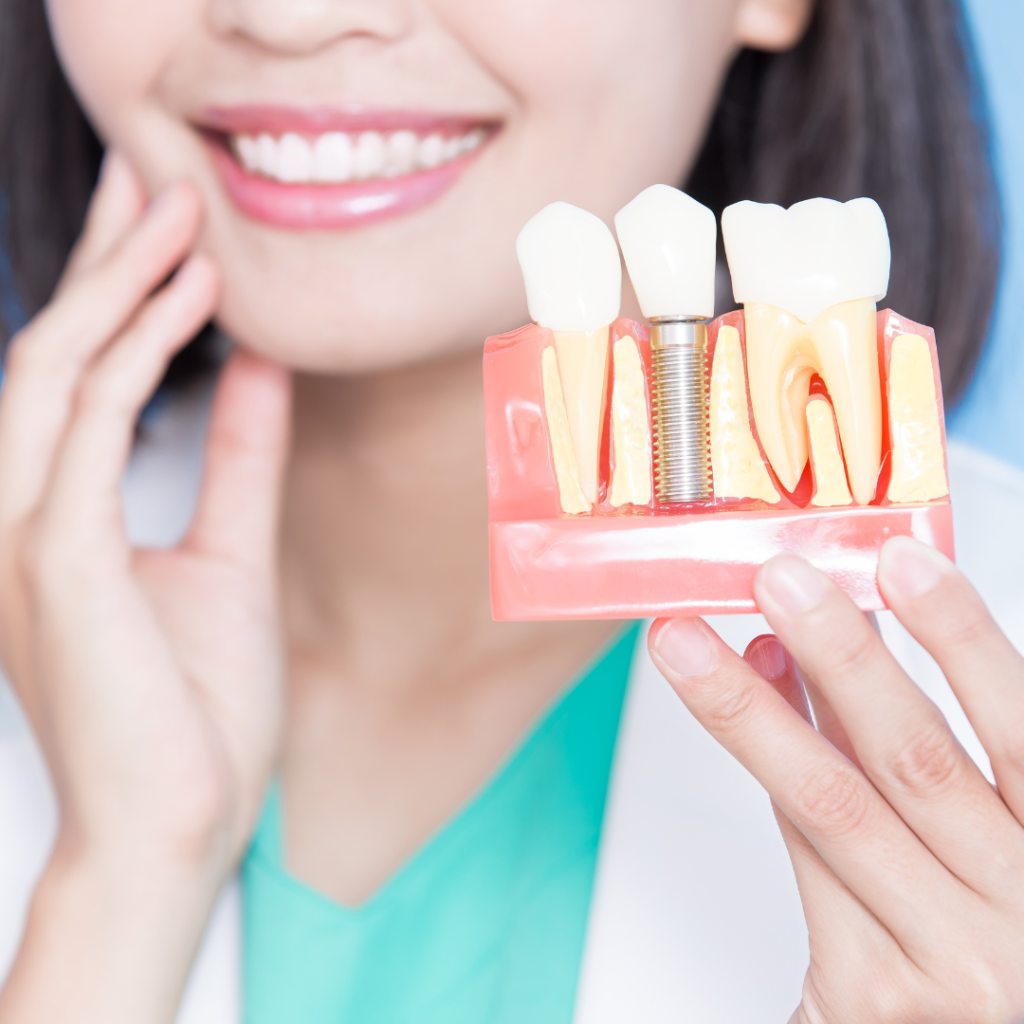
The preparation process depends on the specific clinical situation. If the natural tooth is present, it is prepared to receive a crown. If the tooth has been lost, a dental implant is placed. In either case, we employ conservative techniques designed to preserve healthy tissue and create a solid foundation for the final crown:
- Minimally invasive tooth preparation. The dentist shapes the tooth with micron-level precision, removing a thin layer of enamel while avoiding overheating or damage to the dental pulp.
- In the event of tooth loss, we offer implantation using Straumann, MegaGen, or Neodent systems. These implants are known for their high stability and accelerated integration with the bone (osseointegration), allowing the prosthetic phase to begin sooner.
- We utilize micromotors with speed control. This technique ensures smooth preparation without excessive pressure — an important feature for patients with sensitive enamel.
The preparation stage focuses on preserving the patient’s natural tooth tissues to establish a solid foundation for the implant.
3D Scanning (CAD/CAM)
To create a digital impression, we use an intraoral scanner instead of traditional impression materials:
- High precision. The scanner captures the shape of the teeth and the bite with a margin of error of no more than 10-15 microns, preventing inaccuracies during crown fabrication.
- Patient comfort. The absence of impression trays and materials eliminates discomfort and the gag reflex.
- Instant data transfer. The generated model is sent immediately to the laboratory for further design and milling.
Digital scanning provides the dentist with an accurate clinical picture, while the laboratory receives a ready-to-use file for crown fabrication.
Crown Fabrication in a Digital Laboratory
Data obtained from a 3D scanner is transferred to CAD/CAM software, which creates a virtual model of the future crown. The dentist takes into account the patient’s bite, contact points, and individual anatomical features. Next, the milling process begins, during which an exact replica of the digital design is carved from a zirconia block:
- Milling from a monolithic zirconia block. A high-precision machine carves the restoration layer by layer, reproducing every anatomical detail.
- Sintering in a furnace at temperatures exceeding 1400°C. Following this firing process, the zirconia achieves its final strength and resistance to mechanical stress.
- Custom staining. A technician selects the appropriate shade using the Vita shade guide and incorporates natural color transitions and translucency, ensuring the crown is indistinguishable from the adjacent teeth.
Patients can expect an aesthetically pleasing restoration with a highly precise fit, ensuring both optimal functionality and a natural appearance.
Fitting and Cementation
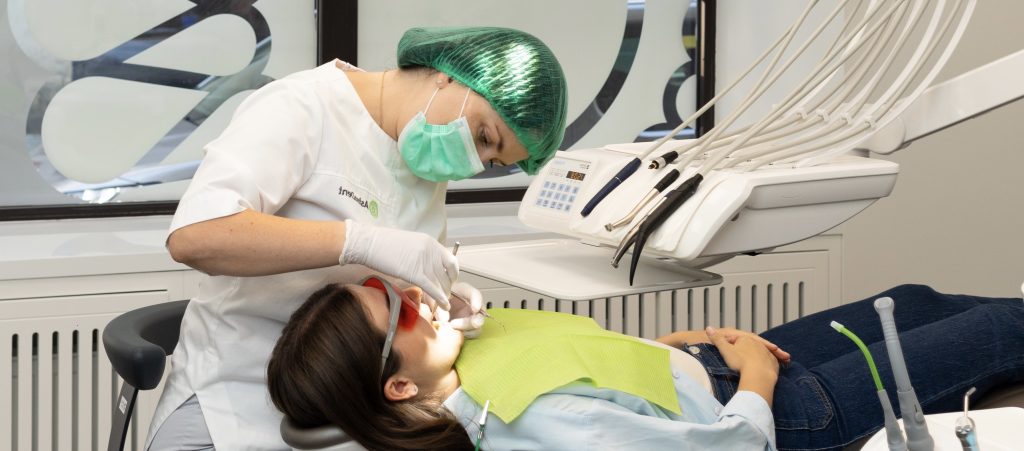
The finished crown arrives at Astra Dent, where the patient undergoes a fitting session. At this final stage, the dentist evaluates the precision of the fit, color matching, and the overall harmony of the smile:
- Checking the fit. The specialist ensures the crown sits perfectly on the tooth or implant, without any gaps or excessive pressure.
- Assessing the bite (occlusion). The dentist checks the contacts — both at rest and during chewing — to prevent overloading specific teeth.
- Final cementation. The dentist secures the crown using a biocompatible dental cement, which ensures a tight seal and long-term stability.
The process concludes with polishing and the provision of care instructions. Once completed, the patient can use the crown without any restrictions on their diet or chewing habits.
Why do patients from all over the world choose us for their zirconia crowns?
Choosing the right dental clinic for prosthetic treatment is just as important as selecting the material for the crown itself. Patients from various countries choose Astra Dent in Warsaw because of our combination of proven technologies, experienced dentists, and a comfortable treatment environment:
- Advanced technology (CAD/CAM). We utilize intraoral scanners, digital modeling software, and milling systems that guarantee crown fabrication precision within 10-15 microns.
- Experienced prosthodontists. The dental center employs doctors with many years of clinical experience who have successfully completed hundreds of restorations and are proficient in modern preparation and prosthodontic techniques.
- Warranty on work. Every dental restoration or appliance comes with a written warranty, confirming Astra Dent’s commitment to the final outcome.
- Convenient location in Warsaw. The clinic is situated near major transport hubs, making it easily accessible for both local residents and patients arriving from abroad.
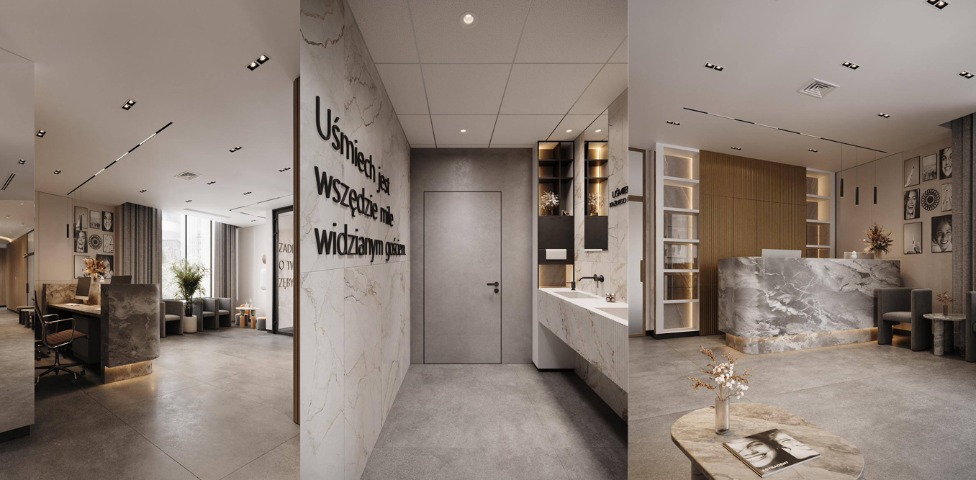
- A friendly atmosphere and comfort. Consultations are available in English, which is particularly helpful for those traveling from Ukraine for treatment. Astra Dent features comfortable treatment rooms equipped with modern technology, helping to reduce stress during your visit.
The combination of precise technology and the expertise of our specialists ensures reliable results, even in complex cases. Furthermore, our convenient location and support in your native language make the treatment process more comfortable for patients from abroad.
How can you book an appointment at Astra Dent in Warsaw?
To begin your treatment, simply schedule a consultation. The dentist will perform an examination, conduct 3D diagnostics, and explain the available options for tooth restoration. You can book an appointment at Astra Dent in Warsaw via the following channels:
- Phone: +48 533 599 552 — a quick way to book a slot and get basic information.
- Email: info@astradent.pl — convenient if you have additional questions or need to attach documents or photos. An online form on the website is available for those who wish to submit a request at any time of day.
Appointments are available daily: weekdays from 9:00 to 20:00, and weekends from 9:00 to 18:00. Booking takes just a few minutes, after which the patient receives confirmation of the selected time.