
satisfied patients
Orthodontics
Book a visit
What we offer
Dental treatment in Warsaw
prices
Our prices
| Aligners | |
|
from 6300 zł
from 11000 zł
Orthodontic consultation
from 250 zł
Orthodontic diagnostics with treatment plan
from 870 zł
|
|
| Braces | |
|
Fixed metal braces (1 arch)
from 3000 zł
Fixed porcelain braces (1 arch)
from 4000 zł
Orthodontic diagnostics with treatment plan
from 870 zł
Orthodontic treatment of patients from other dentistries (bone support excluded)
from 1800 zł
from 5500 zł
|
|
doctors
Best specialists
We employ only highly qualified doctors. Astra Dent dentists regularly attend professional master classes and internships in Poland and abroad.
All doctorsMore on procedure
Orthodontics in Warsaw: Modern Bite Correction and Teeth Straightening for Adults
Orthodontics is the branch of dentistry dedicated to the diagnosis, prevention, and treatment of bite irregularities and tooth misalignment (malocclusion). According to a systematic review, various forms of dentofacial anomalies affect half of the global population, with rates reaching 70-72% in European countries. Yet, a significant number of patients do not undergo treatment, even when functional issues are present — such as masticatory muscle strain, temporomandibular joint (TMJ) dysfunction, and accelerated tooth wear.
Orthodontic treatment in adults involves specific considerations. Since bone formation is complete, tooth movement occurs more slowly and requires precise biomechanical planning. Treatment planning involves 3D diagnostics (CBCT), digital impressions, and an analysis of the bite and periodontal health. Modern orthodontics in Warsaw utilizes next-generation fixed braces, self-ligating systems, digital tooth movement planning, and clear aligners. This allows Astra Dent specialists to predict the outcome before treatment even begins.
Who should see an orthodontist?
An orthodontic consultation in Warsaw is recommended for more than just aesthetic reasons. Misaligned teeth and bite irregularities in adults have functional and medical consequences that tend to worsen over time.
Key clinical situations requiring a specialist’s assessment include:
- Crooked teeth. Tooth rotations, tilting, and displacements disrupt the even distribution of chewing forces, accelerating enamel wear, complicating oral hygiene, and increasing the risk of cavities and gum inflammation.
- Dental crowding. A lack of space in the dental arch causes teeth to overlap. Thorough cleaning is difficult in these areas, leading to tartar buildup, periodontitis, and secondary cavities.
- Malocclusion (improper bite). Clinically significant forms include deep, open, cross, distal, and mesial bites. These conditions disrupt chewing biomechanics, overload specific groups of teeth, and are often associated with TMJ (temporomandibular joint) dysfunction.
- Misalignment of individual teeth. Excessive tilting, protrusion, or impaction of one or more teeth alters occlusal contacts (the points where upper and lower teeth meet during chewing). Even a slight misalignment can affect the stability of the entire dental arch.
- Bruxism and jaw pain. Chronic teeth grinding and jaw pain are often consequences of malocclusion. Improper occlusion causes strain on the masticatory muscles, micro-trauma to the joint, and pathological tooth wear.
- Speech issues. Incorrect tooth and jaw positioning affects articulation, particularly when pronouncing sibilant sounds (hissing and whistling sounds). In such cases, orthodontic treatment becomes part of comprehensive speech correction.
- Inability to place an implant without orthodontic treatment. If a tooth is tilted, space is lacking, or adjacent teeth have shifted, implant placement is not possible without prior alignment. Orthodontics creates the proper conditions for safe, long-lasting prosthetic treatment.
A specialist is needed not only for patients with visible aesthetic flaws. In many cases, orthodontic treatment is a crucial step in preserving the function of the dentofacial system and preventing future complications.
Why do patients choose Astra Dent Warsaw for orthodontic treatment?
Orthodontics requires a precisely structured medical process — spanning everything from diagnostics to the retention phase, during which the achieved tooth position is stabilized. Treatment must be viewed as part of a comprehensive dental plan where the priority is not speed, but a predictable outcome that takes into account the condition of the teeth, gums, bone tissue, and joints.
Benefits of orthodontic treatment at Astra Dent in Warsaw:
- Modern equipment. The dentistry is equipped with digital diagnostic and planning systems, enabling doctors to work according to evidence-based orthodontic protocols. Our technical infrastructure allows us to assess tooth positioning in three planes, analyze the bite, and monitor tooth movement at every stage of treatment.
- 3D scanning. Instead of traditional impressions, we use digital intraoral scanning to create a precise 3D model of the dentition. This enhances diagnostic accuracy and streamlines the fabrication of aligners or orthodontic appliances.
- Experienced orthodontists. Treatment at Astra Dent is performed by specialists who focus on adult orthodontics and handle complex clinical cases. Their practical experience includes bite correction prior to dental implantation, treatment alongside periodontal issues, and the management of TMJ (temporomandibular joint) dysfunction.
- Comprehensive approach to adult treatment. Orthodontic treatment plans are developed in collaboration with general dentists, prosthodontists, and surgeons. This ensures that teeth straightening does not create complications for future prosthetic work or dental implants.
- Service in Ukrainian. Consultations, treatment plan explanations, and medical communication are available in Ukrainian. Eliminating the language barrier is crucial when discussing complex decisions, treatment timelines, and potential alternatives.
- Transparent pricing. The cost of orthodontic treatment in Warsaw is fixed following diagnostics and plan approval. Patients have a clear understanding of the treatment stages and associated costs from the outset.
Astra Dent specialists do not rely on one-size-fits-all protocols; instead, they tailor treatment to the specific clinical situation. For adult patients, this ensures a controlled outcome, a medically sound approach at every stage, and predictable stability following the completion of therapy.
Why should adults start treatment now?
Treating malocclusion addresses multiple issues simultaneously — from bite stabilization to facilitating future dental procedures. Modern techniques allow for tooth alignment without tissue loss, offering a clear understanding of the long-term outcome:
- Aesthetics. Aligning the teeth transforms not only the smile but also lip positioning, facial profile, and the symmetry of the lower third of the face. Correct occlusion eliminates tension in the facial muscles.
- Easier oral hygiene. Properly aligned teeth eliminate hard-to-reach areas where plaque accumulates. This simplifies daily cleaning and reduces the risk of cavities and gum inflammation, particularly for patients with dental fillings or prosthetic restorations.
- Improved function and chewing. Proper tooth alignment ensures an even distribution of chewing forces, reducing strain on individual teeth and promoting the stable function of the masticatory system.
- Prevention of tooth wear. Correcting the bite eliminates pathological contact points that cause accelerated enamel wear. This preserves vertical bite height and reduces the need for complex restorative treatment in the future.
- Prevention of TMJ (temporomandibular joint) issues. Correcting the occlusion reduces the load on the temporomandibular joint (TMJ) and lowers the risk of pain, clicking, and muscle spasms associated with malocclusion.
- A better foundation for implantation. Aligning the teeth creates optimal conditions for implant placement, thereby enhancing the longevity of the implants.
Starting orthodontic treatment in adulthood improves appearance while preserving the function of the dentofacial system. The comprehensive, predictable approach used at Astra Dent makes treatment a sound and worthwhile choice right now.
Orthodontic services and treatment methods
Functional occlusion correction goes beyond mere tooth alignment; it encompasses preparation for implantation and the stabilization of the masticatory system. Astra Dent specialists select treatment methods based on the patient’s age, the clinical situation, and the long-term therapy plan.
Brace systems
Fixed brace systems remain one of the most precise and controllable methods for moving teeth. They allow for the treatment of complex anomalies, root position adjustments, and dental arch asymmetries. Depending on the specific case, patients are offered:
- low-profile metal brace systems;
- low-friction self-ligating systems;
- customized adjustment of archwires and movement forces.
The doctor carefully calibrates the force applied to the teeth and periodontal tissues to prevent adverse effects such as gum recession, overloading of individual teeth, and bite irregularities.
Aligners
Clear aligners are removable orthodontic trays fabricated based on a digital model of the dental arches. The practical application of this method involves several elements that determine the accuracy of the correction:
- Digital planning of each treatment stage. The movement of each tooth is modeled using software, taking into account root anatomy, the condition of the periodontium, and occlusal contacts.
- The ability to remove the appliance during meals and oral hygiene routines. Patients can maintain a high standard of oral hygiene.
- Gradual replacement of the trays in accordance with tooth movement. Each aligner corresponds to a specific stage of correction and ensures controlled, physiological consistent load without sudden changes in force.
From the very beginning, the patient understands the logic of the process, the estimated timeline, and the ultimate goal. If necessary, the doctor adjusts the plan during follow-up visits while remaining within the parameters of the calculated biomechanics.
Orthodontics prior to implantation
Before implant placement, the orthodontist assesses tooth positioning and the available space within the dental arch. In many cases, proper placement of artificial tooth roots is impossible without preliminary correction. At this stage, the doctor addresses several practical objectives:
- Restoring or creating space for the implant. The orthodontist moves adjacent teeth to create a sufficient and anatomically correct gap.
- Correcting the inclination of adjacent teeth. Aligning the axis reduces the risk of overloading the implant after the prosthetic restoration.
- Correcting occlusal relationships. The doctor redistributes chewing forces prior to the surgical procedure.
A clear sequence of actions improves the prognosis for implantation and simplifies the work of the surgeon and the prosthodontist. At Astra Dent, this stage is planned collaboratively by the entire team before treatment begins.
Treatment of TMJ Disorders and Bruxism
Bruxism and TMJ (temporomandibular joint) dysfunction are often linked to occlusal irregularities. In such cases, the orthodontist addresses not only tooth positioning but also the function of the entire masticatory system:
- Analysis of occlusal contacts and mandibular movement. The doctor assesses where overloading occurs and identifies which contacts trigger muscle tension.
- Use of orthodontic and occlusal appliances. Correction is carried out with careful consideration of the joint’s and muscles’ responses.
- Stabilization of the bite following active correction. The specialist secures the achieved position to minimize the risk of relapse.
Decisions are based on functional diagnostics, which involve analyzing occlusal contacts, mandibular position (both at rest and during movement), the condition of the masticatory muscles, and TMJ function.
Pediatric Orthodontics
Orthodontic monitoring during childhood focuses on managing jaw growth and ensuring proper bite development. Early, minimally invasive interventions can significantly simplify future treatment.
Working with children involves:
- Assessing jaw growth and tooth eruption. The doctor identifies deviations before permanent anomalies develop.
- Using removable and preventive appliances. Correction is performed gently, taking age-specific factors into account.
- Ongoing monitoring. The treatment plan is adjusted in line with growth-related changes.
Monitoring bite development at an early stage allows the doctor to address the root cause rather than just the consequences. This approach helps preserve the physiological proportions of the dentofacial system even before growth is complete.
How does one book an appointment at Astra Dent Warsaw?
To schedule an orthodontic consultation at Astra Dent, simply choose your preferred contact method and briefly describe the reason for your visit. The receptionist will direct you to the appropriate specialist and explain how to prepare for your appointment.
You can contact Astra Dent in Warsaw via:
- Phone: +48 533 599 552 — to book a specific date or clarify appointment details;
- Email: info@astradent.pl — suitable for describing your clinical situation or sending a written inquiry;
- Online form — the best option if you prefer to submit a request without making a call.
After you contact us, the receptionist will arrange a time for your visit and explain the next steps. You will arrive for your consultation with a clear understanding of what the doctor will assess and how the treatment process begins.
Published:
23 September 2026, 11:19

Last update:
28 September 2026, 10:54
Why do patients trust Astra Dent doctors?
0
0
newest equipment for treatment and disgnostics
0
years of successful experience in dentistry
0
minute walk from Świętokrzyska metro station
Deals
Hot deals

Turnkey Implant Package Offer
Are you planning to replace a missing tooth with an implant?
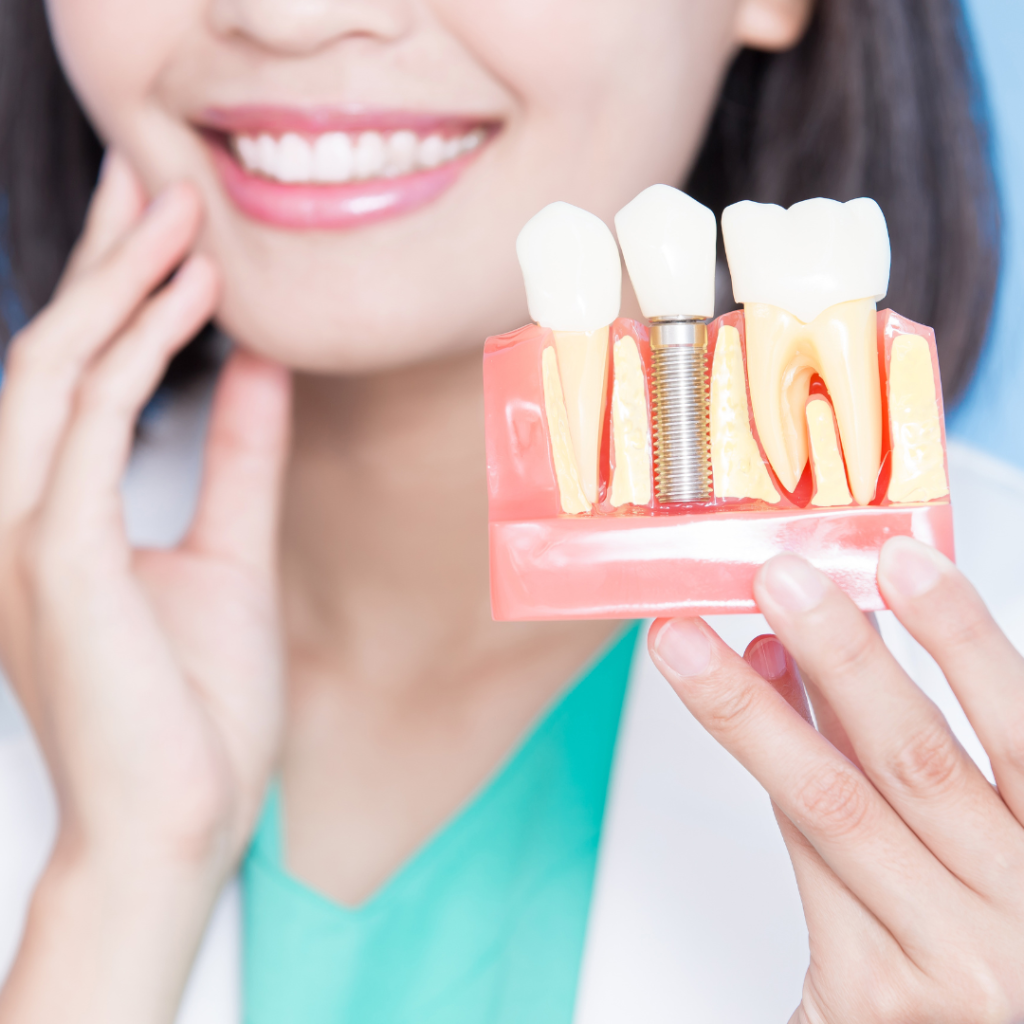
Implant Megagen for 2500 zł only
This solution provides durability, comfort, and a natural look, allowing you to enjoy everyday comfort.

Professional Dental Cleaning 4in1 + Check-up for 350 zł
The beginning of a new year is the perfect time to focus on your health and build good habits.
Implant Megagen for 2500 zł
articles
Dental news

FAQ
FAQ
| Is orthodontic treatment effective after the age of 30 or 40? | |
|
Yes, provided there is accurate diagnosis and careful control of applied forces. Age affects the speed of tooth movement but is not a contraindication for treatment. |
|
| How does orthodontics affect the gums and bone tissue? | |
|
Properly planned orthodontic treatment allows teeth to be moved without damaging the periodontium. Conversely, uncontrolled or excessive force can lead to gum recession and bone resorption. |
|
| Does orthodontic treatment always involve getting braces? | |
|
Orthodontic treatment can be performed using braces or aligners, depending on the clinical situation. The choice of method is determined by the type of bite, the condition of the periodontal tissues, and the desired outcome. |
|
| How does orthodontic treatment begin in modern dentistry? | |
|
It starts with a clinical examination, 3D diagnostics, and a bite analysis. Based on this data, the doctor develops an individualized correction plan. |
|
| Is orthodontic treatment necessary before dental implantation? | |
|
Orthodontics is required if there is insufficient space for an implant or if adjacent teeth are improperly angled. Correction creates the conditions necessary for proper implant placement and even load distribution. |
|
| How long does orthodontic treatment take for adults? | |
|
The duration of treatment depends on the complexity of the case and typically ranges from 12 to 24 months. The exact timeframe is determined following diagnostics. |
|