Partial dentures — a modern solution for replacing missing teeth in Warsaw
The loss of one, two or more teeth leads to aesthetic discomfort and functional disorders in the oral cavity. Chewing efficiency decreases, neighboring teeth shift, bone atrophy develops (decrease in the volume of the jaw bone due to lack of load), and the contour of the face changes. In such cases, the optimal method is partial dentures — an orthopedic solution that allows you to restore the integrity of the dentition without installing implants in place of each missing tooth.
Partial dentures are used in incomplete adentia — when several, but not all, teeth are lost. The design can be based on implants or your own supporting teeth, ensuring stable fixation, correct distribution of chewing load and natural jaw function. Modern materials — acrylic, nylon, metal alloys — allow us to create light, durable and hypoallergenic designs with high biocompatibility.
The main difference between a complete denture and a partial denture is the coverage area and the type of fixation. The former is used in case of complete edentia, while a partial denture compensates for individual missing teeth, preserving healthy supporting units. This prevents excessive load on the gums, reduces the risk of further bone atrophy and maintains the natural shape of the face. During the consultation, the doctor will be able to determine which type of denture is right for you — taking into account the condition of the oral cavity, the number of preserved teeth and individual bite characteristics.
Partial dentures in Warsaw are performed according to modern digital protocols. Astra Dent specialists use intraoral scanners, CAD/CAM modeling and high-precision milling, which ensure a perfect fit of the structure, comfort during wearing and long-term results.
Why do patients choose to have a partial denture installed at Astra Dent Warsaw?
The selection and manufacture of a denture requires technical accuracy and clinical experience, which allows taking into account the smallest anatomical features. Prosthetics at Astra Dent in Warsaw are built on the principles of evidence-based dentistry — using digital technologies, bite modeling and individual planning of each stage of treatment:
- Experience of doctors. The team includes orthopedists with over 15 years of clinical experience, specializing in complex types of partial prosthetics. They have modern fixation techniques and use navigation systems that guarantee high accuracy of the structure’s fit.
- Individual approach. The treatment plan is formed after 3D diagnostics, intraoral scanning and bite analysis. The doctor creates a prosthesis that accurately reproduces the shape of the dentition and ensures the correct functioning of the jaw joints.
- Quality guarantees. Orthopedic structures are manufactured in a certified dental laboratory using modern materials. Each partial denture undergoes a check for accuracy of fit and load balance before installation.
- Careful attitude to each patient. During the appointment, the doctor explains in detail the stages of prosthetics, provides recommendations for adaptation and care of the structure. If necessary, the procedure is performed under local anesthesia using modern anesthetics that provide complete comfort during long manipulations.
- Appointment without queues. Astra Dent has a pre-online appointment system that allows you to choose a convenient appointment time without waiting. Patients receive a consultation without delay, and the manufacture of a partial denture in Warsaw takes place in partner certified laboratories that guarantee high accuracy and short turnaround times.
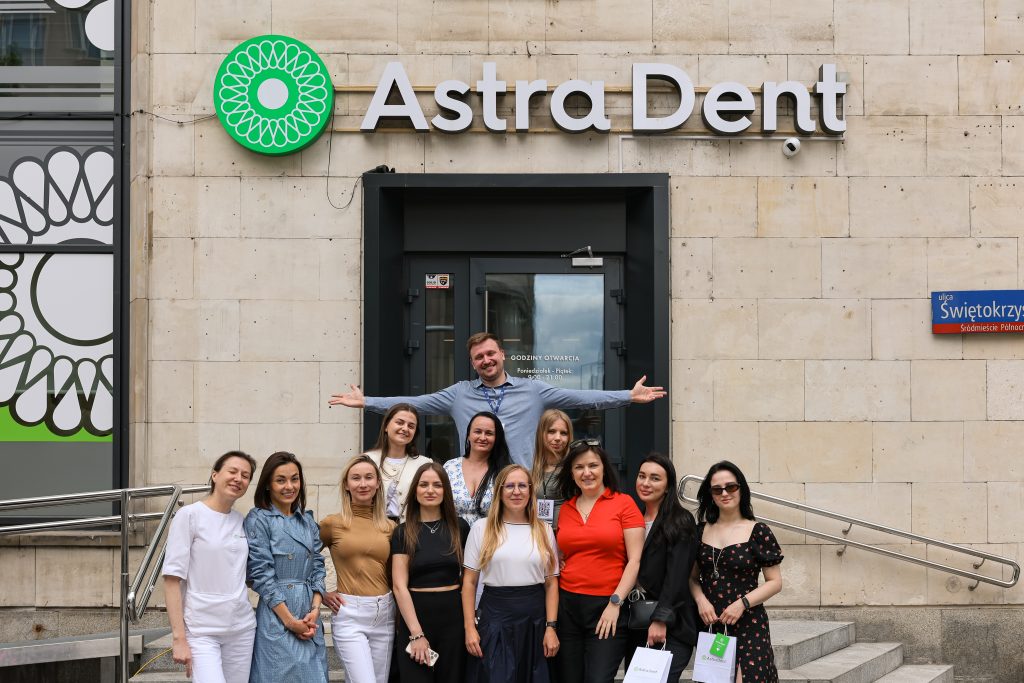
- Comfortable dentistry in the city center. The branch is located near the metro station — in a modern building with digital offices, an X-ray zone and separate rooms for diagnostics and orthopedics.
- The possibility of consultation in Ukrainian, Polish and English. The absence of a language barrier is important for patients who do not speak Polish at a sufficient level. There are no misunderstandings during treatment, because all explanations are given in their native language.
Thanks to the combination of these advantages, Astra Dent offers comprehensive prosthetics — from diagnostics to monitoring of adaptation and further support of the patient.
Types of partial dentures
The correctly selected type of prosthesis determines the service life of the structure. The decisions of Astra Dent specialists are based on clinical indications. They take into account the number of missing teeth, the condition of the supporting tissues and the individual wishes of the patient.
The main types of partial dentures at Astra Dent:
- Clause dentures. The structures have a metal frame that evenly distributes the chewing load. They are fixed with clasps or telescopic crowns. Thanks to the rigid arch, clasp systems remain stable during prolonged use and do not cover the palate, which improves diction and taste sensations.
- Acrylic dentures. This is a classic option with a rigid base made of acrylic resin. They are used as temporary or permanent structures when several teeth are lost. The material is easily polished, resistant to pigmentation and temperature changes.
- Nylon dentures. Hypoallergenic, elastic structures with a soft translucent base adapt to the contours of the gums. They do not require metal elements, so they are suitable for patients with increased sensitivity or allergies to alloys. Nylon systems are almost invisible during conversation, comfortable to wear daily and do not injure the mucous membrane.
- Combined dentures. Combines the advantages of a metal base and elastic elements, providing both strength and comfort. Used in complex cases of partial edentia, when it is necessary to restore several zones at once.
- Prostheses on locks (attachments). Fixed using micro-connections that are invisible from the outside. They provide high aesthetics and reliability, as they do not require visible metal clasps. Locking systems allow the prosthesis to be removed for hygiene without compromising the stability of fixation.
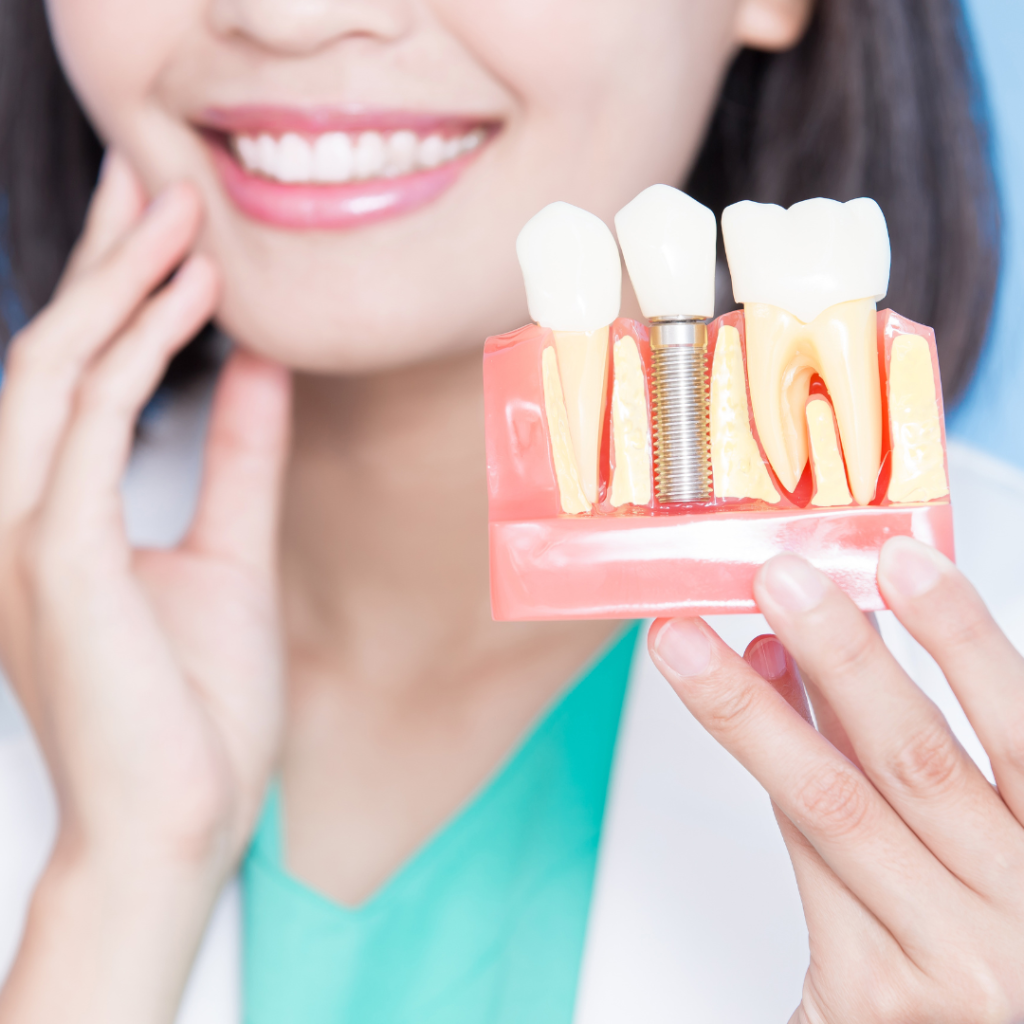
- Prostheses on implants. This is a modern version of partial restoration, when the structure is fixed not on the teeth, but on artificial titanium supports. The system provides the highest stability, preserves bone tissue from atrophy and avoids stress on neighboring teeth.
Each type of partial prosthesis at Astra Dent in Warsaw is created taking into account the physiology of chewing, pressure force and micromovements of the jaw. The biomechanical approach ensures comfort during use, maintains balance in the temporomandibular joint and reduces the risk of damage to the supporting teeth.
How is prosthetics performed at Astra Dent Warsaw?
Prosthetics is a step-by-step process that requires precision at every step. Any procedures at Astra Dent are performed under the supervision of experienced orthopedists and technicians, and the treatment plan is adjusted to the patient’s clinical situation. Thanks to digital diagnostics, modern materials and careful control of fixation, partial removable dentures work without discomfort and getting used to.
Consultation
The first stage involves a comprehensive examination and planning of future prosthetics. The doctor analyzes the condition of the teeth, gums and bite, determines the type of construction that will provide the best functional and aesthetic result.
The consultation includes:
- 3D tomography. Allows you to assess the condition of the bone tissue and supporting teeth.
- Intraoral scanning. Allows you to obtain an accurate digital model of the jaw without traditional casts.
- Bite assessment. The load balance and possible contact points that affect the stability of the future prosthesis are determined.
- Treatment planning. The specialist develops a detailed plan with terms, cost and choice of construction material.
After the consultation, the patient receives information about the treatment options and can agree on the most convenient schedule of procedures.
Impression taking
The second stage determines the accuracy of the fit and comfort while wearing the prosthesis. Astra Dent orthopedists use both digital scanners and classic impression materials for clinical cases that require special detail.
During the impression taking:
- The supporting teeth are prepared. The dentist removes irregularities, creates optimal contours for the future construction.
- An exact copy of the dentition is taken. The digital or silicone impression is transferred to the laboratory to create a model.
- The bite height is checked. The doctor makes sure that the orthopedic system ensures the correct closure of the jaws and the natural location of the jaw joints.
The quality of the impression directly affects the accuracy of the prosthesis fit, so each manipulation is performed with micron accuracy under the supervision of an orthopedist.
Manufacturing and fitting
After receiving the digital data, a model of the future prosthesis is created. Astra Dent specialists in Warsaw use premium materials that combine high strength and natural appearance.
At the manufacturing and fitting stage:
- A 3D model of the structure is designed. It is agreed with the orthopedist and the patient before the start of production.
- A base fitting is performed. The doctor checks the stability, contact with the gums and the absence of pressure on the mucous membrane.
- Aesthetics are adjusted. The shade, shape and size of the artificial teeth are selected.
- The bite is balanced. This prevents excessive load and the appearance of microcracks in the material.
After the fitting, the patient assesses the comfort of the structure, and the doctor makes final adjustments for a perfect fit.
Final installation and adaptation
The final stage involves fixing and checking the stability of the prosthesis in different jaw positions. The patient receives instructions on care, cleaning and gradual adaptation.
The final stage includes:
- Fixation check. The prosthesis should fit evenly against the mucosa without pressure.
- Polishing. The dentist treats the surface of the prosthesis to prevent plaque accumulation.
- Assessment of diction and chewing. The doctor checks whether the naturalness of speech and comfort during eating are preserved.
- Care recommendations. Instructions are given on hygiene, storage and preventive examinations.
After installation, the patient is monitored after 7-10 days to ensure correct adaptation and eliminate irritation of the mucosa.
Advantages of modern partial dentures
Modern orthopedic designs differ from those used ten years ago. New materials, digital modeling technologies and precision fixation methods have made partial dentures lighter, more accurate and more comfortable. The patient receives a reliable system that restores natural anatomy, chewing and smile aesthetics.
The main advantages of modern partial dentures:
- High accuracy of fit. Digital scanning and CAD/CAM technology ensure precise fit to tenths of a millimeter, which reduces pressure on the mucosa and accelerates adaptation.
- Preservation of supporting teeth. The structures evenly distribute the load, so the neighboring teeth do not loosen or overload.
- Biocompatible materials. The use of nylon, titanium, new generation acrylic and ceramic components eliminates the risk of allergies and gum irritation.
- Low weight. Modern bases are 2-3 times lighter than traditional ones, which increases comfort when talking and eating.
- Color stability. The materials are resistant to pigmentation by coffee, tea and nicotine, thanks to which the prosthesis retains its aesthetics for many years.
- Possibility of repair and replacement of elements. In case of partial wear of the base or attachments, restoration is possible without manufacturing a new orthopedic system.
The combination of the listed characteristics makes partial dentures an effective and gentle way to restore the dentition. The selection of materials and designs at Astra Dent is carried out individually — taking into account the bite, chewing force and aesthetic wishes of the patient, which guarantees the expected clinical result.
Partial denture care
The service life of the denture depends on proper care. Even the most modern materials require cleaning and periodic professional inspection to maintain the stability of the design. Proper hygiene prevents the accumulation of bacteria, irritation of the mucous membrane and inflammatory processes in the oral cavity.
Basic rules for caring for a partial denture:
- Cleaning after each meal. The denture must be rinsed under running water to remove food residues and prevent the appearance of an unpleasant odor.
- Daily cleaning with a special brush. A soft-bristled brush and a non-abrasive paste or gel intended for orthopedic structures are used.
- Soaking in a disinfectant solution. Once a day, the prosthesis should be placed in a special antiseptic liquid that destroys microorganisms and eliminates biofilm.
- Careful removal and storage. It is better to remove the structure at night so that the mucous membrane has the opportunity to recover. The prosthesis is stored in a container with clean water or a special solution.
- Regular examinations. Every 6 months, a preventive examination should be performed by a dentist to monitor the condition of the fixation, gums and bite.
Following the recommendations extends the life of the prosthesis and maintains the health of the mucous membrane. After the structure is installed, Astra Dent patients are given individual care instructions and invited to follow-up examinations, during which the doctor assesses the stability, cleanliness and hygiene of the structure.
How to make an appointment at Astra Dent Warsaw?
Astra Dent in Warsaw has a quick appointment system that allows you to choose a convenient day and time for an appointment without waiting. Administrators coordinate the doctors’ schedule, help you find a specialist of the appropriate profile and remind you about the visit in advance.
Main ways to make an appointment:
- Phone: +48 533 599 552. Calls are accepted daily, the administration provides advice on free hours and preliminary preparation for the visit.
- E-mail: info@astradent.pl. You can send a short request describing the situation, and the dentistry manager will respond during the working day.
- Online form: leave a request on the website. The form allows you to choose a service, a convenient time and a method of feedback.
After confirming the appointment, the patient receives a reminder and information about the necessary documents or diagnostic examinations. On the day of the visit, the administrator accompanies the patient to the appointment without queues, and after the consultation helps to agree on a further treatment schedule.